Breast Prostheses and Silicone Restoration

Restoring symmetry and confidence with compassionate, dignified care

What is it?

Breast prostheses and custom silicone prosthetics restore symmetry and body image following mastectomy, lumpectomy, trauma, or congenital absence. They may include facial or partial limb restorations, designed with realistic aesthetics and functional outcomes in mind.

How can it help?

  • Restoring natural body contour and symmetry
  • Improving clothing fit and comfort
  • Reducing postural imbalance
  • Supporting emotional wellbeing
  • Enhancing confidence and self-image

Devices We Provide

A selection of the devices we fit within this service. Filter by area of the body to find what fits your needs. The right device is always confirmed after an individual assessment.
ChestBreast Forms

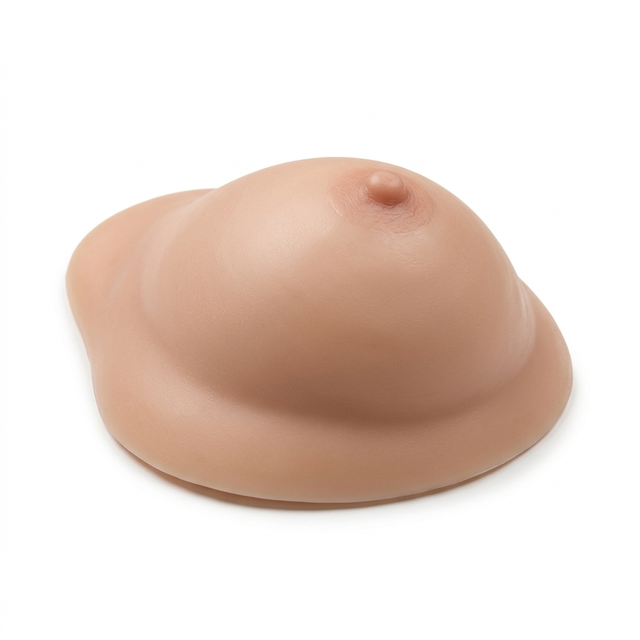
Breast Forms

Fitted to restore shape, symmetry and confidence after mastectomy or partial breast surgery.

Breast forms fitted to each individual and worn inside a pocketed bra or attached directly to the skin. Full, partial, lightweight/swim and self-adhesive styles are available, with fully custom-made forms where standard sizing doesn't suit.

  • Full and partial styles
  • Lightweight and swim-friendly options
  • Self-adhesive options available
  • Custom-made forms available
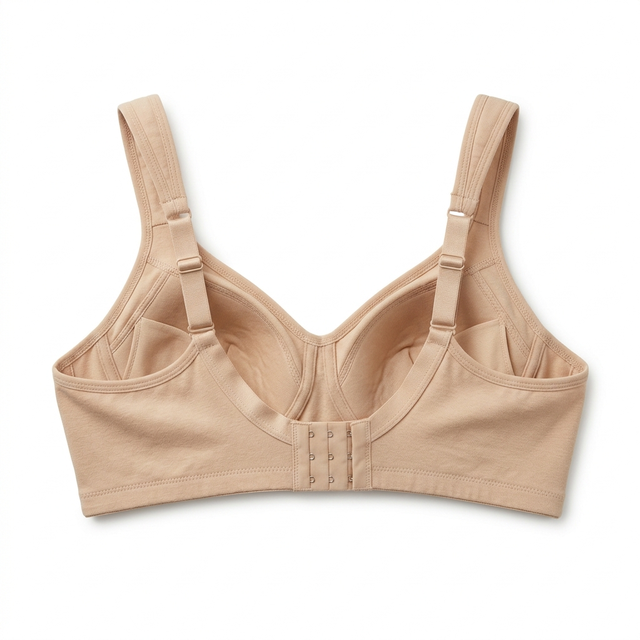
ChestMastectomy Bras & Camisoles

Mastectomy Bras & Camisoles

For post-surgical wear immediately after mastectomy or reconstruction, and for ongoing daily support of a breast prosthesis.

A soft, seam-minimised bra or camisole with built-in pockets to hold and position a breast form or post-surgical drains. It offers gentle support during healing and comfortable, secure everyday wear once recovered.

  • Internal prosthesis pockets
  • Soft, seam-free construction
  • Adjustable, wide comfort straps
  • Front-closure options for easier dressing after surgery
ChestNipple Prosthesis

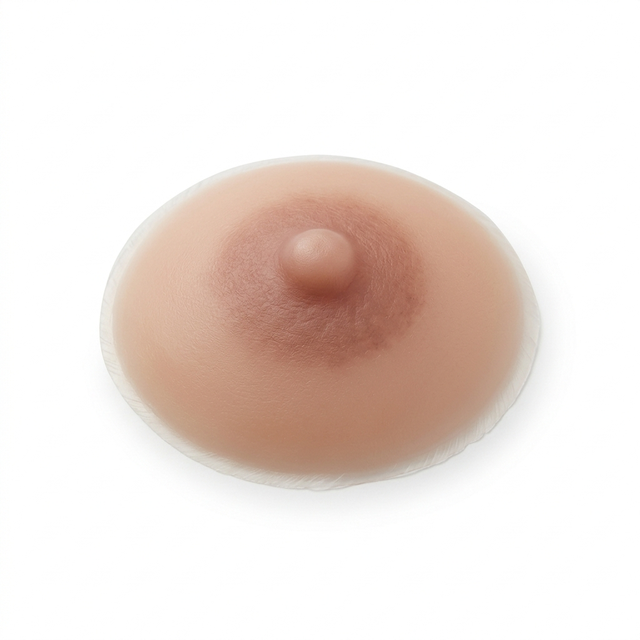
Nipple Prosthesis

For individuals who have undergone nipple removal or reconstruction surgery and wish to restore a natural areola-nipple appearance without further surgery.

A small, hand-painted silicone attachment shaped and coloured to match the natural or reconstructed nipple-areola area. It is applied with medical-grade adhesive to restore a natural appearance beneath clothing.

  • Hand-painted colour matching
  • Medical-grade adhesive attachment
  • Soft, flexible silicone
  • Reusable and low-profile under clothing
Full BodySilicone Cosmetic Restoration (Face, Finger & Toe)

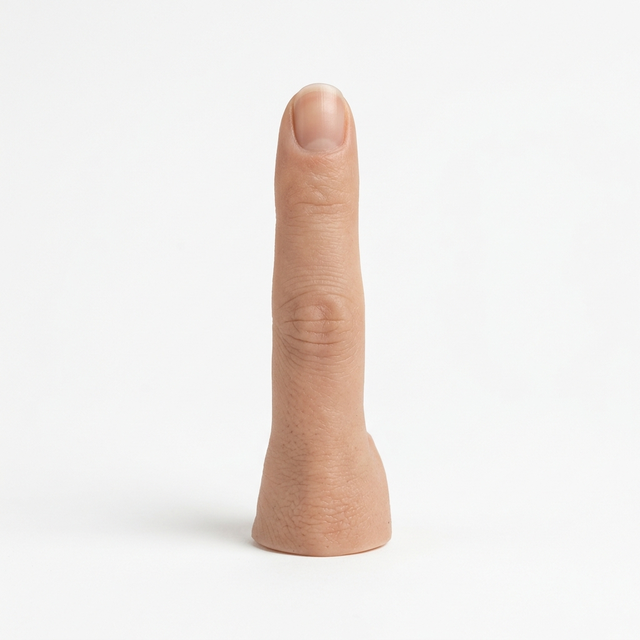
Silicone Cosmetic Restoration (Face, Finger & Toe)

For individuals with facial, finger or toe loss or disfigurement seeking a realistic, non-surgical cosmetic restoration.

A custom, hand-painted silicone prosthesis individually sculpted and colour-matched to a person's skin tone and surface detail. It is used to restore the appearance of missing or affected facial features, fingers or toes, offering passive protection and confidence in appearance.

  • Custom hand-painted skin matching
  • High-definition surface detailing
  • Passive protective covering
  • Durable, stain-resistant medical-grade silicone

Our Clinical Approach

Our approach prioritises dignity, privacy, and compassion. We conduct discreet consultations and fittings in your preferred setting, ensuring realistic aesthetics, functional outcomes, and emotional support throughout your journey.

Related reading

Ready to get started?

Contact us to book an assessment or discuss your needs

Common questions

Breast Prostheses and Silicone Restoration: your questions answered

How soon after my mastectomy can I wear a breast form?

A soft fabric form can usually be worn within days of surgery, and a silicone prosthesis at around six to eight weeks, once the wound has healed and any radiotherapy is finished. Cancer Research UK puts the permanent fitting at about six weeks after surgery. The soft form, sometimes called a comfie or a softie, is light and does not press on the scar. If your chest is still swollen after radiotherapy, wait until the swelling settles, because a form fitted to a swollen chest will not fit the chest you end up with. Your surgeon or breast care nurse has the final say on timing.

How much does a breast prosthesis cost, and does medical aid pay for it?

Prices vary widely by type, so we quote you before anything is ordered or made. A soft post-surgical form is inexpensive, a standard silicone form costs more, and a custom silicone prosthesis made to your own contour costs more again. Many medical schemes contribute towards an external breast prosthesis and mastectomy bras from a prosthesis or external medical items benefit, usually with a prescription or motivation, though cover differs between schemes and plans. If you are not on a scheme, Reach for Recovery's Ditto Project supplies silicone prostheses to state patients, and CANSA distributes free hand-knitted forms through its care centres.

Can I just buy a breast form online myself?

Yes, and for many women that is a perfectly sensible choice. If you had a straightforward single mastectomy, you know your bra size, your chest is fully healed and you are matching a fairly standard shape, an off-the-shelf silicone form from a reputable supplier will do the job and you do not need us for it. Come to us when the standard forms do not work: a very uneven chest, a partial or reconstructed breast, skin changed by radiotherapy, a form that keeps riding up, or when you want a nipple prosthesis or a custom silicone form. Buying twice costs more than being measured once.

Do I need a special mastectomy bra?

Not always, but the bra matters more than most women expect. A prosthesis only sits correctly if something holds it against the chest wall, so a well fitting bra with a firm band and a full cup does most of the work. Mastectomy bras have sewn-in pockets that stop the form shifting, and Cancer Research UK notes you can also have a pocket stitched into a bra you already own. If your current bras fit properly and hold the form still, keep them. If the form slides, rides up or you are forever adjusting it, the bra is usually the problem, not the form.

I had a lumpectomy, not a mastectomy. Is there anything for me?

Yes. A partial form, also called a shaper or a shell, fills the dip left after a lumpectomy or after radiotherapy has shrunk the breast, so both sides sit level under clothing. These are small silicone or foam pieces shaped to sit over the top, the outer side or the underside of the breast, and they go into an ordinary bra or a pocketed one. Partial forms are the most commonly missed option after breast conserving surgery, largely because nobody mentions them. They are also used after reconstruction, when one side has ended up smaller than the other.

Will a silicone form be too heavy? My neck and shoulder already ache.

Lightweight silicone forms exist for exactly this reason, and they are worth asking about if you have lymphoedema, osteoporosis, sensitive skin or ongoing neck and shoulder pain. One widely sold lightweight range, Amoena's Natura Xtra Light, is described by its manufacturer as nearly 40% lighter than comparable silicone forms. Be careful of the claim you will read everywhere that a weight-matched form protects your posture. A study measuring lower back muscle activity in women after mastectomy found no link between prosthesis weight and that activity. What weight does affect is how the form sits, whether it stays level with the other side, and whether you will wear it all day.

How long does a breast form last and how do I look after it?

Cared for properly, a silicone form lasts several years, usually longer than its guarantee. Most carry a two-year manufacturer warranty against defects. Wash it daily in warm soapy water and pat it dry, store it in the moulded cradle inside its box, and keep it away from rings, pins, pet claws and anything sharp, because a puncture lets the silicone leak. Body lotion, perfume and sunscreen break down the outer film, so keep them off it. You can swim in a standard form if you rinse it in clean water afterwards, since chlorine and salt degrade silicone. Dedicated swim forms are made for this.

Can I be fitted at home instead of coming in?

Yes. Fittings are done at the consulting rooms in Morningside, Sandton, at your home, or at your hospital bedside across Johannesburg, Sandton, Midrand, Centurion and Pretoria. A first fitting means undressing to the waist in front of a stranger, at a point when you may not yet want to look at your own chest, so many women prefer their own bedroom, their own mirror and their own bras to try against. Appointments are private and unhurried, and you are welcome to bring someone with you. Bring the bras you actually wear every day, not the good one.

Is this a private practice, and how does payment work?

Yes. Farida Cajee-Botes is a private orthotic and prosthetic practice, and we do not bill medical schemes directly. Accounts are settled in full at the time of your assessment or on collection of your device, and we give you a detailed invoice with the appropriate codes so you can submit the claim to your medical aid and be reimbursed directly by them. Where it helps your claim, we prepare the itemised quotation, clinical motivation and pre-authorisation paperwork before anything is ordered. What your scheme pays back depends on your plan and available benefits, and that decision rests with the scheme, so any amount they do not cover remains payable by you.